AIEGNOS
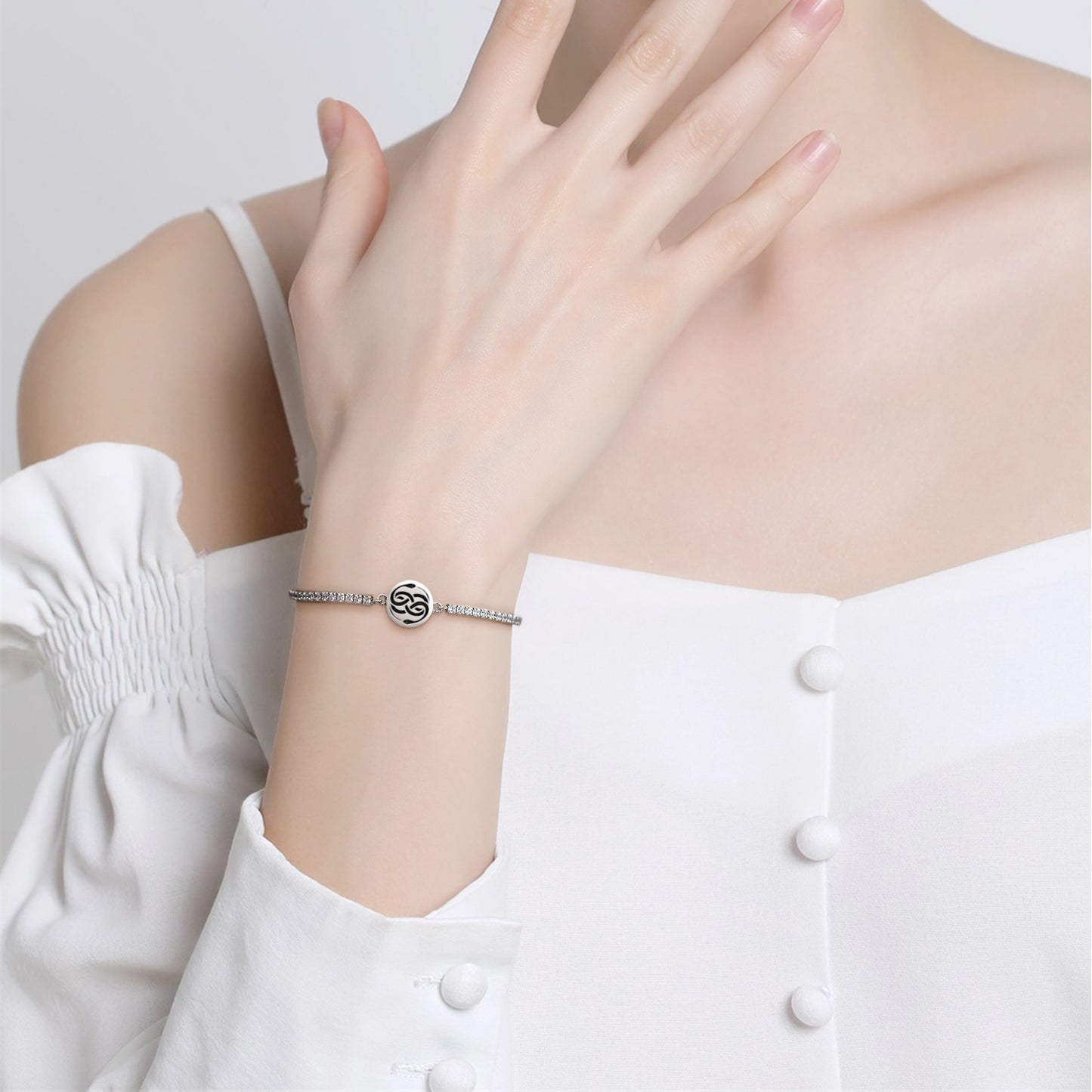
Celtic Wuiren Adjustable Bracelet
Celtic Wuiren Adjustable Bracelet
BUY 2 GET 2 FREE SITEWIDE
BUY 2 GET 2 FREE SITEWIDE
Не удалось загрузить сведения о доступности самовывоза
The 'Wuivre Symbol' (or Vouivre symbol) has multiple meanings and symbolic interpretations in different cultures and legends. Below is a detailed analysis based on evidence:
Symbolic Meaning in Celtic Culture
According to Celtic culture, the Wuivre (or Celtic Wuiren) is a circular symbol composed of two intertwined snakes, symbolizing the infinite cycle and regenerative power of nature. This symbol is also known as the 'Celtic Cross,' whose four arms represent the four elements of nature: earth, water, fire, air, and four natural qualities: dry, cold, wet, and warm.
Symbolic Meaning in French Mythology
In French mythology, the Wuivre (or Vouivre) is a mysterious serpentine spirit, usually depicted as a bipedal dragon with a snake's body and eagle's claws. It is often regarded as a guardian of the earth, capable of bringing fertility to humans, animals, land, and water. Additionally, the Wuivre is believed to be a treasure-protecting creature that often appears in abandoned castles or monasteries.
Representation in Art and Culture
In artistic works, the Wuivre is often depicted as a creature combining features of snakes and dragons, sometimes with a female head and upper body, and eyes embedded with rubies or diamonds, giving it supernatural powers. This image appears in many French legends and artistic works, such as La Vouivre.
History and Origin
The concept of Wuivre may derive from the Old English 'wivere' (meaning snake) and evolved into the medieval Wyvern (bipedal dragon). In France, the Wuivre gradually evolved into a unique mythical creature closely related to local natural and supernatural phenomena.
Share